
Economy
CBO Republican Fiscal Plan Would Increase Deficit by $2.8 Trillion

Jun
The legislative package promoted by Republicans, which combines tax cuts and spending adjustments, would raise the federal deficit by $2.8 trillion through 2034, according to the Congressional Budget Office (CBO). This estimate includes the economic growth expected to result from the law, representing a 15% increase over previous projections.
Plan Would Not Pay for Itself, Contrary to GOP Promises
The CBO contradicts the Republican Party’s core premise: that tax cuts would stimulate the economy enough to generate revenues to offset the deficit. According to the analysis, the economic growth would be modest and fall $2.4 trillion short of closing the gap between tax cuts and spending reductions.
Interest Costs Would Outweigh Any Economic Gains
While the legislation would slightly accelerate growth compared to the expiration of current cuts, higher interest rates would add more than $400 billion in costs, canceling out any revenue gains from increased economic activity.
Federal Debt Would Exceed Forecast by $3.3 Trillion
Independent analysts agree with the CBO: rising deficits and borrowing costs would overshadow any economic boost. Once interest is factored in, public debt would climb $3.3 trillion above baseline projections by 2034.
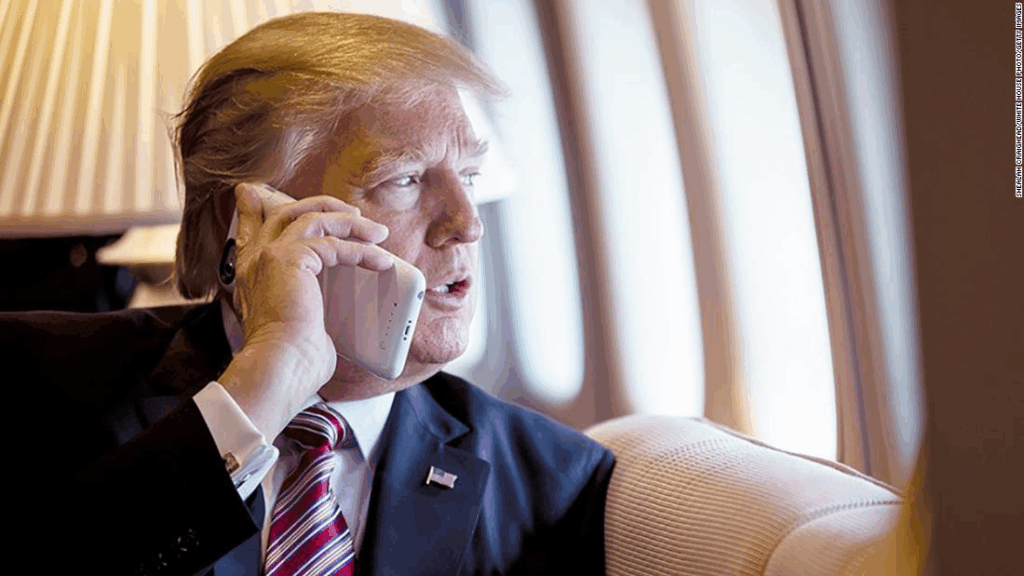
Trump Launches the T1 Patriotic Phone or Strategic Marketing?
The Trump Organization surprised many by announcing the T1, a $499 Android smartphone that promises…
Trump Priorities: Tax Cuts, Defense, Immigration
The bill consolidates many of former President Trump’s fiscal priorities, including extensions of tax cuts, new tax benefits, cuts to Medicaid and food assistance, and more funding for border security and defense. Treasury Secretary Scott Bessent warned that failure to pass the plan would cause a “sudden economic shutdown.”
Minimal Impact on Long-Term Economic Growth
According to the CBO, the plan would increase real GDP by just 0.5% over the next decade, and raise the annual growth rate by only 0.04 percentage points. This is far below the 2.6% projected by Republicans, who expect a jump from the current 1.8%.
Inflation, Fed Pressure, and Lower Labor Supply
The deficit expansion would raise interest rates by an average of 14 basis points, crowding out private investment and complicating government financing. The CBO also expects the law to boost inflation, forcing the Federal Reserve to delay rate cuts. Increased immigration enforcement funding could reduce the labor supply.
Senate Seeks Adjustments to Soften Negative Impact
The report covers only the House version. Republican senators propose cutting the child tax credit from $2,500 to $2,200. They also suggest changing tax exemptions for tips and overtime. They back permanent R&D and equipment investment benefits, viewed as more effective long term.
